




Brand identity has always been more than a logo or slogan. It is the core of a business, the story behind it, and the promise it makes to customers. From symbols carved into pottery in ancient marketplaces to digital experiences in today’s global economy, this history of branding has shaped how people connect with products and companies.
Where Branding Began
Thousands of years ago, artisans in Egypt marked their pottery with unique symbols so their work could be recognized. Farmers branded livestock to show ownership. Traders marked goods to prove authenticity. Even then, a brand was more than a mark. It was a shortcut to trust.
Branding in the Industrial Age
The Industrial Revolution introduced mass production and shelves filled with nearly identical goods. Companies needed to stand out. Branding grew to include names, slogans, and packaging that created recognition at a glance.
Coca-Cola’s script logo became iconic. Levi’s red tab and two-horse symbol represented strength. Campbell’s soup cans in red and white became household staples. These brands sold more than products. They sold identity and lifestyle.
The Psychology of Branding
Strong brands do more than show what a business sells. They create feelings. Apple represents innovation through clean design. Nike inspires energy and movement. McDonald’s evokes comfort through color and familiarity. Every element, from typography to color palette, shapes how people perceive and connect with a brand.
Branding in the Digital Era
Today branding extends across websites, social platforms, and digital experiences. A logo is still important, but it is only one part of a much larger identity.
Modern branding includes:
- Websites that feel seamless and intuitive
- Social presence that connects with people authentically
- Content that educates, entertains, or builds trust
After all, building a great digital brand requires more than design; it requires technical expertise. Read our guide on how to hire the right developer for a seamless digital experience.
Brands such as Spotify, Coca-Cola, and Apple thrive because they create immersive experiences that go far beyond visuals.
Why Branding Matters for Business
A strong brand delivers real benefits:
- Differentiation in crowded markets
- Customer loyalty and trust
- Increased perceived value
- Employee pride and retention
Branding is strategy as much as design. It influences pricing, customer decisions, and company culture.
Branding with Ink and Timber
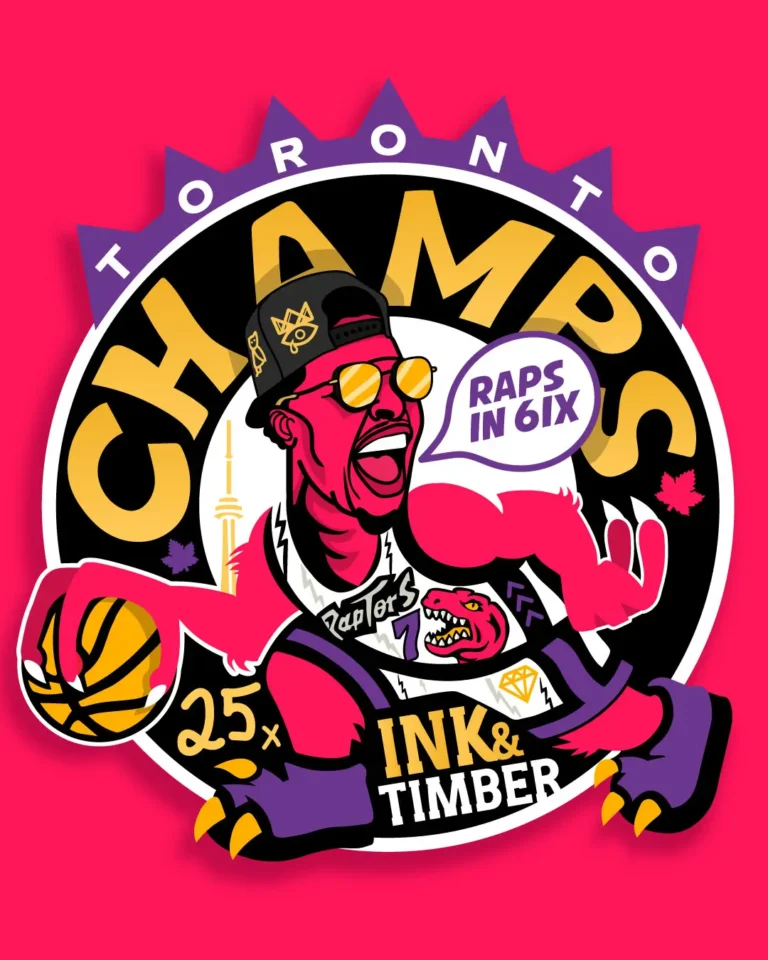
Brand Identity is Not a Trend. At Ink and Timber, branding is the heart of what we do. Founded by Corey Philippides, designer, developer, illustrator, and marketing consultant, the studio combines creativity and strategy to build brands that truly resonate.
We provide:
- Logo and identity design
- Web design and development that engages and converts
- UI and UX design for intuitive digital experiences
- Custom illustration that adds personality and storytelling
Our work with the Jane Goodall Institute, Academics Without Borders, LOYAL to a TEE, and Surgically Clean Air reflects the impact that thoughtful branding can create.
Ready to Build Your Brand
If you want a brand that reflects your vision and connects with the right people, let’s talk.

Yes, really. All above told the truth.
Bravo, magnificent phrase and is duly
[…] Digital Strategy vs AI in the end should not a battle of one versus the other, but instead the two working together in an efficient manner, in order to find the best possible strategic solution and sound implementation for the goals of your brand. […]
[…] For a deeper dive into how logo designs evolve, check out our post on the ‘Evolution of Branding: From Ancient Symbols to Modern Branding‘. […]